
Fundraising
15 Fundraising Strategies to Maximize Nonprofit Revenue
Navigating the world of nonprofit fundraising can often feel like a tightrope walk between what’s heartfelt and what’s financially smart. On one side, you have items that tug at the heartstrings but barely scratch the surface of your fundraising goals.
On the flip side, there are those hidden gems that, when leveraged correctly, can significantly boost your nonprofit’s financial health. Identifying the most profitable items in nonprofit fundraising is not just about intuition; it’s about understanding market trends, donor preferences, and maximizing ROI without losing sight of your mission.
This blog post will dive into what makes an item not just good, but great for fundraising, ensuring your next event is both meaningful and materially successful.
Profitable Fundraising Ideas
Popular Fundraisers
Shoe drive fundraisers top the list of profitable fundraising ideas. They stand out for their simplicity and high profitability. Communities and organizations collect gently used shoes, turning clutter into cash without upfront costs.
Bake sales are another go-to, especially for schools and local groups. They combine tradition with effectiveness, making them a classic fundraising idea. The aroma of fresh-baked goods attracts supporters, translating to significant fundraising revenue.
Charity auctions offer vast fundraising potential. When integrated with gala events or school functions, they can generate substantial funds. Unique items and experiences encourage generous bidding, boosting overall proceeds.
Easy Fundraisers
Organizing a shoe drive fundraiser is straightforward with a dedicated coordinator. This person handles collection and logistics, simplifying the process. It’s an easy way to achieve your fundraising revenue goals without complex planning.
Bake sales require minimal setup. Volunteers bake goods, set up tables, and sell treats. This model ensures a successful product fundraising event with little overhead.
Placing donation boxes in high-traffic areas captures spontaneous generosity. It’s one of the simplest ways to gather funds, needing only a box and a good location.
Unique Fundraisers
Art show fundraisers bring local artists into the spotlight. They offer something different, blending culture with charity. Sales of artwork directly support fundraising efforts, making it a creative fundraising idea.
Adding a twist to 5K runs, like color or bubble themes, injects fun into fitness. These events draw larger crowds, increasing participation fees and donations.
Themed online auctions can be incredibly creative. From vintage collectibles to celebrity memorabilia, unique themes attract more bidders. This approach maximizes fundraiser profits through widespread online engagement.
Seasonal Fundraisers
Holiday seasons are perfect for themed bake sales. Pumpkin pies in fall or gingerbread houses in winter cater to festive spirits. They turn seasonal treats into profitable fundraisers.
Hosting 5K runs during spring or fall benefits from milder weather. Participants enjoy these conditions more, leading to higher turnout and fundraising success.
Art shows in summer align with outdoor community festivals. This timing draws larger crowds, enhancing exposure for artists and boosting fundraising efforts.
Organizing a Fundraiser
Setting Goals
Setting clear, achievable goals is crucial for any fundraising event. It’s important to align these targets with the organization’s mission and the specific needs it aims to address. This alignment ensures that every effort contributes directly to the overarching objectives of the fundraiser. Regularly tracking progress towards these goals allows for timely adjustments, ensuring the fundraiser stays on track and meets its targets.
Goals should be specific, measurable, attainable, relevant, and time-bound (SMART). This approach helps in breaking down the broader mission into actionable steps. For instance, if a church fundraising aims to renovate its building, setting a precise dollar amount as a target makes the goal tangible and easier to communicate to potential donors.
Budget Planning
A successful fundraiser requires meticulous budget planning. Outlining all potential expenses and revenue streams upfront can prevent unforeseen financial shortfalls. It’s beneficial to seek local sponsors who can offset some of the costs, thereby increasing the net funds raised.
For organizations aiming to maximize their fundraising dollars, prioritizing cost-effective fundraisers is key. Virtual auctions or contest fundraisers can generate significant revenue without incurring high costs. These types of events not only save money but also have the potential to engage a wider audience by leveraging online platforms.
Building a Team
A diverse team of volunteers is essential for covering all aspects of a fundraising campaign. Recruiting individuals with varied skills ensures that every task, from marketing to logistics, is handled efficiently. Creating subcommittees for these specific areas can further streamline the planning process and foster an environment of collaboration.
Clear communication and defined roles within the team are vital. They help avoid confusion and ensure that everyone knows their responsibilities. This structure supports the overall success of fundraising efforts by maximizing the effectiveness of each volunteer’s contribution.
Engaging Supporters
Personalized outreach is powerful in engaging potential donors and participants. Tailoring messages to reflect the interests and values of your audience can significantly increase their willingness to contribute. Utilizing social media platforms is an effective way to create excitement around your fundraising activities and share updates with a broad audience.
Offering incentives like branded merchandise or tickets to exclusive events can further motivate supporters to donate. These rewards not only serve as a thank you but also help maintain a connection with donors beyond the fundraiser event.
Top Fundraising Products
Branded Merchandise
Selling branded merchandise like custom t-shirts, mugs, or tote bags can significantly boost a nonprofit’s funds. These items, adorned with the organization’s logo, serve a dual purpose. They not only generate revenue but also enhance brand visibility. For added value, nonprofits might consider bundling merchandise with event tickets. This strategy encourages more purchases by offering attendees a tangible reminder of their support.
The appeal of these products lies in their ability to keep the nonprofit’s mission in the public eye. Every item sold spreads awareness far beyond the initial fundraising event.
Event Tickets
Strategic pricing of event tickets can play a crucial role in maximizing both attendance and revenue. Offering early bird discounts motivates people to commit sooner rather than later. Group rates can attract larger parties, making the event feel more accessible to everyone.
Ensuring ticketing information is straightforward and purchase options are convenient will further enhance sales potential. Clear communication about the event’s details and benefits encourages more people to participate, thus increasing fundraising opportunities.
Donation Boxes
Placing donation boxes in high-traffic areas offers an easy way for individuals to contribute to a cause they care about. It’s vital that these boxes are clearly labeled with the nonprofit’s mission and contact information. This transparency encourages trust and increases the likelihood of donations.
Regular monitoring and emptying of these boxes are essential to maintain both security and appearance. A well-maintained donation box reflects positively on the nonprofit’s professionalism and dedication to its cause.
Online Auctions
Online auctions present a cost-effective method for reaching a broad audience. By securing unique items or experiences, nonprofits can attract a diverse group of bidders eager to support their cause. The key to success lies in effective promotion through social media and email campaigns.
These platforms allow organizations to engage with potential supporters directly, creating excitement around the auction and encouraging higher bids. As costs are lower compared to traditional fundraising methods, online auctions offer an efficient way to raise significant funds.
Hosting Successful Events
Planning Steps
A detailed timeline is crucial for the success of any fundraising event. It should span from the initial planning stages to the post-event follow-up. This includes setting clear milestones and deadlines for each phase of the event preparation.
Assigning specific tasks and deadlines to team members ensures that everyone knows their responsibilities. It helps in tracking progress and addressing any delays promptly.
Including contingency plans is also vital. These plans address potential challenges like bad weather for outdoor events or technical issues for virtual gatherings. They ensure the team can quickly adapt and keep the event on track.
Marketing Strategies
Developing a comprehensive marketing plan is essential to attract attendees and donors. This plan should leverage social media, email campaigns, and local media outlets. Each channel plays a role in reaching different segments of your target audience.
Creating engaging content that highlights the cause and provides clear event details can significantly boost interest. Use testimonials and success stories from past events to build credibility and foster trust among potential donors.
Day-of Tips
Before the event starts, double-check that all materials and equipment are ready and functioning properly. This step prevents any last-minute hitches that could derail the event’s smooth running.
Assigning roles and responsibilities to team members ensures efficient operations during the event. Everyone should know their duties, from welcoming guests to managing activities.
Having a clear plan for welcoming and guiding attendees enhances their experience. It makes them feel valued and appreciated, increasing their likelihood of supporting the cause.
Post-Event Follow-Up
Sending thank-you notes to donors, participants, and volunteers shows appreciation for their support. It strengthens relationships and encourages future involvement in your nonprofit’s activities.
Sharing event highlights and outcomes through social media and newsletters keeps the community engaged with your cause. It demonstrates the impact of their contributions and fosters a sense of collective achievement.
Conducting a debrief meeting with your team allows you to discuss what worked well and what didn’t. This meeting is an opportunity to identify areas for improvement and apply these insights to future events.
Shoe Drive Fundraiser
Why It Works
Shoe drive fundraisers tap into the community’s desire to support a cause without financial strain. Ease of participation is a key benefit, as people can donate shoes they no longer wear. These drives foster strong community engagement, creating a sense of unity and purpose.
Success stories abound, with organizations raising thousands of dollars through shoe drives. They not only generate funds but also promote environmental sustainability by recycling shoes. The positive impact is twofold: supporting the nonprofit’s mission and providing footwear for those in need globally.
Getting Started
Launching a shoe drive fundraiser begins with detailed planning. First, set clear goals regarding the number of shoes you aim to collect and the funds needed. Researching and choosing a reputable partner organization for shoe collection and sale is crucial.
Start small to manage logistics effectively. Engage volunteers early and outline your plan clearly. As momentum builds, consider scaling up your efforts to increase your impact.
Promoting the Event
Effective promotion involves a balanced mix of online and offline strategies. Social media platforms are powerful tools for reaching wide audiences quickly. Create compelling visuals and messages that resonate with your community’s values.
Partnerships with local businesses can amplify your reach. They can serve as drop-off locations or help promote the event. Influencers within the community can also lend their voice, boosting visibility and credibility.
Maximizing Revenue
To enhance fundraising outcomes, combining a shoe drive with other events like a 5K run can be highly effective. This approach not only diversifies revenue streams but also attracts different segments of the community.
Offering tiered sponsorship packages to businesses provides them value while increasing your fundraiser’s income. Encouraging donors to sign up for recurring donations or membership programs ensures sustained support beyond the event.
Engaging Your Audience
Social Media Tips
To keep your audience’s interest, post regular updates about your nonprofit’s activities. This includes behind-the-scenes content that sheds light on your operations. It makes followers feel closer to your cause.
Use hashtags and tagging strategically to increase your visibility on social media platforms. This approach can attract new supporters who are interested in similar causes.
Hosting live streams or Q&A sessions is a great way to interact directly with your supporters. It adds a personal touch and encourages more engagement from your audience.
Email Campaigns
Segmenting your email list allows you to send messages that resonate with specific groups of supporters. This targeted approach ensures that your communications are always relevant.
Your emails should always include clear calls to action and links that make donating easy. This removes barriers for potential donors and increases the chances of receiving support.
Sharing impactful stories via email keeps subscribers informed about how their contributions make a difference. It also motivates them to continue supporting your cause.
Community Outreach
Partnering with local schools, businesses, and community groups expands your network. These partnerships can lead to new fundraising opportunities and increased community support.
Attending local events is another effective strategy for promoting your fundraiser. It also allows you to network with potential supporters in person.
Offering volunteer opportunities is an excellent way to engage community members. It helps them feel directly involved in the success of your fundraising efforts.
Testimonials and Stories
Collecting stories from those who have benefited from your fundraiser, like a shoe drive, can be powerful. Share these stories in all of your marketing materials.
Using testimonials builds trust and credibility with potential donors. They see real-life examples of the impact their support can have.
Highlighting the personal impact of donations shows supporters the tangible difference they’re making. This emotional connection is key to maintaining long-term engagement.
Multichannel Fundraising
Online Platforms
Choosing user-friendly platforms is crucial for enhancing the profitability of items in nonprofit fundraising. These platforms should simplify the process for donations, ticket sales, and auctions. It’s important they integrate seamlessly with your existing website and CRM software to track donor engagement and contributions effectively.
Provide clear instructions and support on how to use these platforms. This ensures that potential donors have a smooth experience, whether they’re bidding on auction items or purchasing tickets for events. The easier it is for users to navigate and make a contribution, the more likely they are to complete their transaction.
Offline Methods
Despite the digital age, offline methods remain powerful tools in fundraising. Utilizing traditional media like flyers, posters, and local newspapers can significantly boost your campaign’s visibility. These materials can be placed in high-traffic areas or distributed at local businesses to reach a broad audience.
Hosting informational sessions or booths at community events allows for direct engagement with potential donors. It provides an opportunity to share your nonprofit’s mission face-to-face. Engaging with local radio stations for interviews and promotions can also amplify your message, reaching listeners who may not be active online but are willing to contribute to a good cause.
Hybrid Events
Hybrid events, combining in-person and virtual elements, cater to a broader audience by offering multiple participation options. Providing live streaming options for those who cannot attend in person ensures that everyone has a chance to be part of your event. This inclusivity can lead to higher engagement rates and increased fundraising.
Interactive features like virtual auctions or Q&A sessions with keynote speakers can make virtual attendees feel as involved as those physically present. These features encourage participation from a wider audience, potentially increasing the profitability of your fundraising items.
Consistent Messaging
Maintaining a unified voice and message across all communication channels is key to effective multichannel fundraising. This consistency helps build trust and recognition among your audience. Ensure all team members and volunteers are well-versed in key talking points to present a cohesive narrative about your cause.
Using branded templates and materials across both digital and physical mediums creates a professional and unified look. This not only reinforces your nonprofit’s identity but also boosts donor confidence in your organization’s credibility.
Effective Fundraising Tools
CRM Software
CRM software stands as a powerful fundraising tool for nonprofits. It lets organizations keep detailed records of their donors. This includes contact information, donation history, and personal preferences. With this data, charities can tailor their communications to match each donor’s interests.
Automating follow-ups and crafting personalized messages becomes simpler with CRM. This approach fosters stronger relationships with donors. Moreover, analyzing past interactions helps refine future fundraising strategies. Thus, CRM software proves indispensable in maximizing the effectiveness of fundraising efforts.
Payment Processing
For online donations, selecting a secure payment processor is crucial. Nonprofits should offer a variety of payment methods. These include credit cards and digital wallets. Such diversity ensures that every potential donor can contribute with ease.
A smooth donation process is vital for retaining supporters. It reduces the chance of abandoned donations due to complicated steps or system errors. By prioritizing user experience, nonprofits can significantly boost their fundraising success.
Marketing Tools
In the realm of promotion, certain tools stand out for their utility. Canva, for instance, simplifies the creation of eye-catching promotional materials. Its ease of use allows even those with minimal design skills to produce professional-quality graphics.
Email marketing platforms like Mailchimp facilitate widespread communication with donors. They enable the sending of targeted campaigns that can drive engagement and donations. Similarly, social media tools such as Hootsuite allow for scheduled posts. This ensures consistent online presence, crucial for keeping the audience engaged and informed.
Analytics Tools
Understanding the impact of fundraising efforts is key to improvement. Google Analytics offers insights into website traffic and user behavior. This information helps nonprofits optimize their online content and layout for better engagement.
ial media analytics provide a window into the performance of posts and campaigns across different platforms. By tracking which types of content resonate most with their audience, organizations can adjust their strategies accordingly. Specialized fundraising software can analyze donation patterns. This aids in identifying successful tactics and areas needing enhancement.
Key Takeaways
- Focusing on top fundraising products and events can significantly boost a nonprofit’s revenue. Items like branded merchandise and organizing events such as galas or auctions have proven to be highly profitable.
- Planning and organization are key to a successful fundraiser. Detailed planning, from selecting the right fundraising idea to executing it effectively, ensures maximum participation and contribution.
- Shoe drive fundraisers not only help in raising funds but also promote environmental sustainability. They engage the community in a meaningful way, making it a win-win for both the nonprofit and its supporters.
- Engaging your audience through compelling storytelling and effective communication strategies is crucial. It helps in building long-lasting relationships with donors and volunteers, ensuring continued support.
- Implementing multichannel fundraising strategies, including online campaigns, social media, email marketing, and traditional methods, can significantly increase reach and donations.
- Utilizing effective fundraising tools and software can streamline the process, making it easier to organize events, track donations, and engage with supporters efficiently.
Closing Thoughts
Navigating the world of nonprofit fundraising, you’ve explored a range of profitable strategies, from innovative products to engaging events. These insights equip you with the tools needed to not only achieve but exceed your fundraising goals. By focusing on what works—be it a shoe drive fundraiser or leveraging effective fundraising tools—you’re set to make a significant impact. Remember, success in fundraising hinges on engaging your audience and utilizing a multichannel approach to reach potential donors wherever they are.
Now, armed with knowledge on top fundraising products and strategies, it’s your turn to act. Dive into organizing your next event with these proven tactics in mind. Your efforts not only raise funds but also build stronger connections within your community. Start planning today and watch as your nonprofit reaches new heights of success and influence. Let’s make a difference, together.
Frequently Asked Questions
What are the most profitable items for nonprofit fundraising?
Custom merchandise like t-shirts, mugs, and calendars often yield high profits due to their low production costs and personal appeal to supporters.
How can I organize a successful fundraiser?
Start by setting clear goals, choosing the right type of fundraiser, planning logistics in detail, and promoting your event through multiple channels to ensure maximum participation.
Which fundraising products are top sellers?
Top selling fundraising products include custom apparel, baked goods, branded water bottles, and eco-friendly tote bags. Their popularity is driven by their practicality and the personal connection donors feel towards the cause.
What makes an event successful in fundraising?
A successful fundraising event is well-planned, engages the audience with compelling storytelling, offers meaningful ways to contribute, and clearly communicates the impact of donations.
How can I engage my audience in fundraising?
Engage your audience by sharing impactful stories, offering various ways to contribute (e.g., time, money, skills), and maintaining communication before, during, and after your fundraising campaign to build lasting relationships.
What is multichannel fundraising and why is it effective?
Multichannel fundraising involves using multiple platforms—like email, social media, direct mail—to reach potential donors. It’s effective because it increases your visibility and allows you to connect with supporters in the way they prefer.
You Might Also Like

Re-Engage Lapsed Major Donors: Strategies to Win Back Support
If one of your major donors cut their gift in half (or stopped giving entirely) would you know why?In a recent episode of the Hey Nonprofits! podcast, fundraising expert Trisha Bra
Read article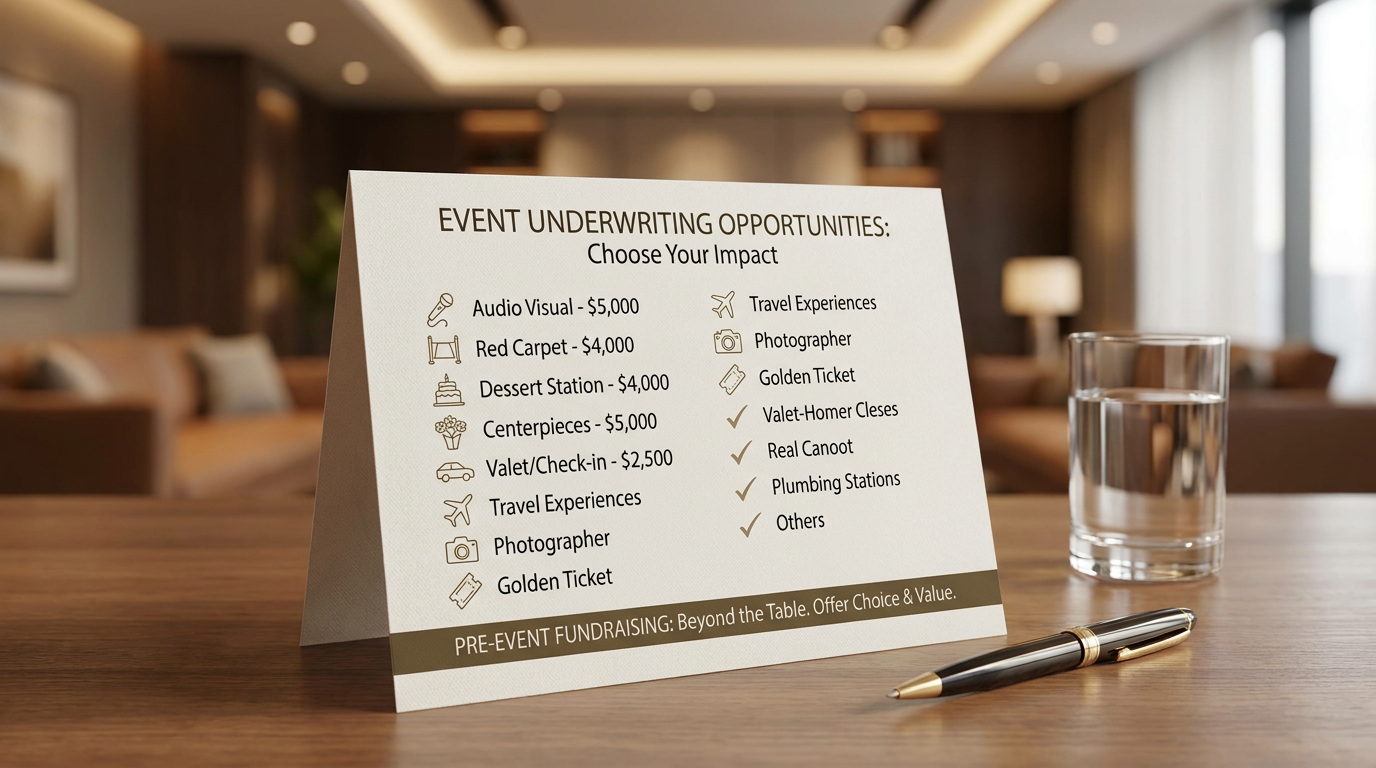
How to Maximize Your Nonprofit's Pre-Event Fundraising
Pre-event fundraising for your non-profit organization is about more than just selling tables. Not every possible donor will want to buy a table they have to fill, and selling tabl
Read articleBook a free session with our CEO.
Calculate what your next fundraiser could raise.
Talk with our team about your next event.