
Auction Strategy
Auction Item Procurement: Build a System That Doesn't Start From Scratch
You Don't Have a Procurement Problem. You Have a System Problem.
Every spring, the same scene plays out in nonprofit offices across the country. A committee chair emails last year's volunteers. Half don't respond. The spreadsheet from last year's auction is buried in someone's personal Google Drive. Nobody remembers which businesses said no, which donor gave the vacation package that drove the bidding war everyone's still talking about — and so it begins again. From scratch.
Here's the truth: most organizations don't have a procurement problem. They have a system problem. The items are out there. The donors are often willing. What's missing is a structure that carries knowledge, relationships, and momentum from one event to the next.
The good news? You can build that structure without a bigger team or a bigger budget.
Start With a 12-Month Mindset — Not a 12-Week Scramble
The single most impactful shift you can make is moving your procurement conversation off the event calendar and onto the donor calendar. Your best item donors should hear from you in appreciation before they ever hear from you in solicitation. A thank-you call in December. A mission update in March. A soft outreach in May — long before your September gala.
When volunteers are reaching out to warm relationships instead of cold contacts, everything changes. Conversations get easier. Yes rates go up. Burnout goes down.
Diversify Your Item Mix on Purpose
Not every great auction item comes from a local business. Relying too heavily on any single source — especially cold business solicitations — is exactly where volunteer fatigue takes root. The most successful auction programs layer their procurement across several lanes: locally donated experiences, items tied to board and major donor relationships, and strategic, no-risk additions that don't require another ask.
Pro Tip: This is exactly where consignment travel comes in. At HGA Fundraising, our Vacation Station strategy gives you 6-10 travel packages to build a dedicated silent auction station — an entire category handled in one move, no cold calls, no volunteer chasing donations, no risk since you only pay for what sells. A couple of packages can also be pulled for your live auction if they fit the room. It's not about a number on a bid sheet — it's a destination within your silent auction room that gives guests something bigger than a raffle basket to say yes to, whether that excitement lands on a bid sheet, in the live auction, through a raffle, or via paddle drop.
Make Stewardship Part of the Procurement Process
Every item donor is a relationship worth protecting. After your event, send a personalized thank-you that tells them what their donation made possible. A brief note — "The wine country getaway raised $2,800 and helped fund 14 months of tutoring for kids in our after-school program" — turns a one-time donor into a multi-year partner.
This single habit, practiced consistently, is how organizations build procurement pipelines that get easier every year instead of harder.
Document Everything. Every. Single. Thing.
Your procurement system should live in your organization, not in a volunteer's memory. Build a simple, shared tracker that captures: who was asked, what they gave (or why they declined), who stewarded them after the event, and when to reach out next. When volunteers turn over — and they will — this document is the institutional knowledge that keeps your pipeline alive.
The Bottom Line: The goal isn't a perfect event this year — it's a slightly better process every year, compounding into something that no longer exhausts the people who make it happen. A consignment partner like HGA Fundraising won't build that whole system for you, but it will take one of the hardest categories off your volunteers' plates so they can focus on the relationships only they can build.
Round out your procurement plan with consignment auction items: premium experiences with no upfront cost.
About the author

Sandy Hilsenrath
Community Engagement and Content Manager
With almost 2 decades working for nonprofits, Sandy brings perspective and understanding of what it takes to raise money for today's nonprofits.
You Might Also Like
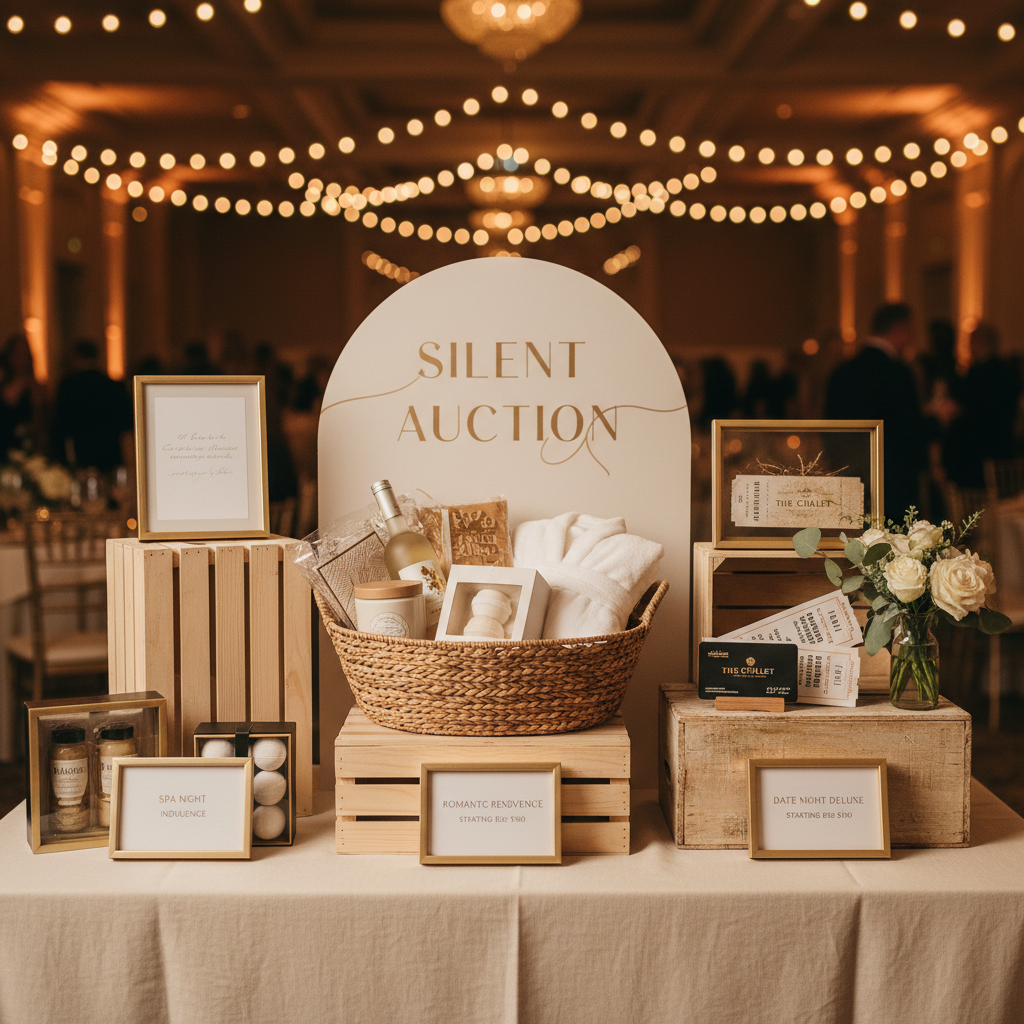
How to Package Silent Auction Items That Drive Bids
Your silent auction table isn't short on items — it's short on packaging that makes people stop and bid. Here's how to fix that.
Read article
The Nonprofit's Guide to Consignment Auction Items
If you’re a fundraiser who has organized a nonprofit event, you know how much work (and stress) goes into filling your auction tables.…
Read articleBook a free session with our CEO.
Browse consignment travel packages for your next live auction.
Talk with our team about your next event.