
Donor Relations
Donor Stewardship Ideas That Go Beyond the Year-End Letter
A Founder With No Development Background
Jennifer Knopf didn't plan to work in nonprofits. She was an attorney who says she would have laughed at the idea of starting an education charity. Then her son was diagnosed with dyslexia, and what she learned while helping him led her to launch the Reed Charitable Foundation, now six years old. The foundation trains educators in evidence-based reading instruction and works to raise awareness about dyslexia and the literacy crisis.
That outsider's view shapes her approach to fundraising. She has been a donor as well as a founder, and she runs the foundation around the things she disliked as a giver. "There's been things that I did not like as a donor, that they are like a policy here. We don't do it." It's a useful exercise for any nonprofit: write down what annoys you as a donor and make avoiding it a policy.
Why Some Missions Need to Educate Before They Ask
Jennifer pointed out that the literacy crisis is far larger than most donors realize, and that makes fundraising for it a communication challenge. By her account, about 69% of fourth graders nationally aren't reading proficiently, and she cited research showing that the vast majority of people can learn to read when taught with direct, explicit instruction. Because the problem is widely hidden, and because people tend to feel shame about reading struggles, supporters often don't know how close it is to them.
So the first job is education. "There's a big education piece," she said, and the wording of an appeal may differ depending on who's in the room. Her advice for any nonprofit working on a lesser-known issue is to expect to spend time explaining the problem before the ask makes sense, and to test the language with each group of supporters.
What a Viral Moment Taught Her About Capacity
The foundation's growth came partly from a single post. In 2021, Jennifer offered a free virtual teacher training that normally costs about $1,500 per person, with 24 spots available. The post went viral during the holidays and reached around 375,000 likes, comments, and direct messages. She had no staff, so she answered roughly 2,500 messages herself. The registration site crashed when she posted the sign-up link, and some people were upset.
She treats it as proof of demand, and it taught her something practical about capacity. A post that works can overwhelm a small team. If your appeal might travel, decide in advance who will respond, and check that your donation or registration page can handle a spike. Her personal replies also mattered. "I did respond to all 2,500 of those messages. Some of them were copy and paste because it was the same thing, but a lot of it was very personal."
Mini takeaway: Responding personally to the people who show up is an inexpensive stewardship strategy, as long as you're ready for the volume.
Skip the Three-Page Year-End Letter
Jennifer's most concrete policy is that the foundation doesn't send a three-page year-end letter. Her reasoning has three parts. She doesn't like feeling like she's in a donor cycle. She doesn't open those letters herself. And the foundation serves people who have struggled with literacy, so asking them to read three pages of text would be "pretty tone-deaf to our audience." Donors, she added, want quick information.
Instead of a letter, the foundation mails a package that people want to open. It's thick, in a different-shaped envelope, and packed with small pieces of information. "There's a QR code to see a video. There's a QR code to donate. But it's like, here's all the stats of how you've helped, what's happening, and what we're doing and where we're going." The result, she said, is great feedback because it's different. She doesn't suggest dropping the year-end appeal entirely. "It doesn't mean not doing the year-end thing. It just means, how can you engage your folks differently, in a way that's mindful of your mission?"
The principle is more important than the format. Look at your mission and your audience, then ask what a message worth opening would look like. If your donors are busy professionals, that may be a short video. If they're parents, it may be a one-page summary of what their gift did.
Put a Stamp on the Thank-You
Trevor asked Jennifer to describe the best thank-you she'd received, and her answer was honest. She doesn't need to be thanked, because for her giving is its own reward. But she remembers the experience that changed her own practice. After the foundation made its largest gift to date, the recipient texted her a screenshot of a handwritten thank-you note. "If you're going to do it, for the love of all that is holy, do not screenshot a note. Put a stamp on that bad boy and get it in the mail."
That annoyance turned into an annual tradition. Each year, before the foundation announces its gala, it sends a curated gift box to its sponsors about two weeks before the public announcement. The box serves as a save the date and a thank-you for the previous year, and it includes a preview of the gala's headliner, along with items that match the theme. Each year the gala highlights a different strength associated with dyslexia and features an adult speaker who has dyslexia. Sponsors get a sneak peek before anyone else.
Jennifer says she builds on things she's experienced. "I try to take the things that I experienced, that I'm like, ooh, I did not like that, or I liked that, and how could we build upon that or make that our own?"
Mini takeaway: Your own experience as a donor is a free source of stewardship ideas. Note what annoyed you, and what delighted you, and apply both.
Go to Other Nonprofits' Events
Jennifer recommends something that many development teams skip. Attend other organizations' events, especially those aligned with your mission. You'll see what they do well, what you'd do differently, and where you might collaborate. "We are all trying to get the same money, which is also terrible, and everybody's working on shoestring budgets, so how can you collaborate and take the same dollars and make greater impact?"
It's also a way to support peers. Trevor, who has spoken about differentiation more than competition, agreed: when you present your cause differently from everyone else, you're not fighting for the same attention. The gift boxes and the mailer are both examples of that thinking.
Build a Team Around Strengths and Be Upfront About Expectations
Much of the conversation focused on staffing. Jennifer's first hire, an assistant who started during COVID and worked remotely, expanded her capacity by taking over scheduling and eventually much more. The next investments were in programming, where the foundation used independent contractors more strategically, mostly virtually, to avoid travel and hotel costs without compromising quality. Development has been the hardest role to fill. She believes it turns over the most, partly because the foundation's mission isn't intuitive and takes time to explain.
She told the board that her ideal development hire had for-profit experience but had also spent time in the nonprofit world, perhaps as a board member, a fundraiser, or a donor. "This is a grassroots grind, and I need someone who's willing to work at least as hard as I'm working. Otherwise they feel defeated." She's learned to be open about her own pace. "I talk about it in interviews, so I'm not couching this. This is who I am, this is what you're coming into, and it's okay if that's not for you." She added that she doesn't expect anyone to be her. The expectation is simply that people aren't saying, "I won't do that. That sounds hard."
To make roles fit, the team has used the Working Genius and Enneagram tools to identify strengths, and she's changed titles to match what people are good at. A team member with a stage management background now helps produce events, and her title is director of grants and production. "People are like, what's that? But that's how it works." Jennifer also replies personally to every job applicant, even ones with no development experience. "I'm responsible for our culture, and everything trickles from there."
The Ask You've Been Avoiding
Jennifer closed with an admission many fundraisers will recognize. Unlike a lot of causes, she said, literacy is an easy case to make because the solution is known. She's passionate about asking. But there are two people she cares about so much that she hasn't asked them, because a no would hurt. "It would break my heart if they didn't care about it, and I asked." Her team keeps asking why.
Trevor said that emotion is real and common among founders and development staff alike. If you have a prospect like that, one useful step is to name it. Decide who else could make the ask, or what it would take for you to feel ready, and put a date on it. Otherwise it's easy to protect your relationship with a donor at the cost of a gift they'd be glad to give.
Insights in this article are drawn from the Hey Nonprofits! podcast episode “Raise More Money For Nonprofits Using Proven Techniques”, featuring Jennifer Knopf, founder of the Reed Charitable Foundation.
About the author
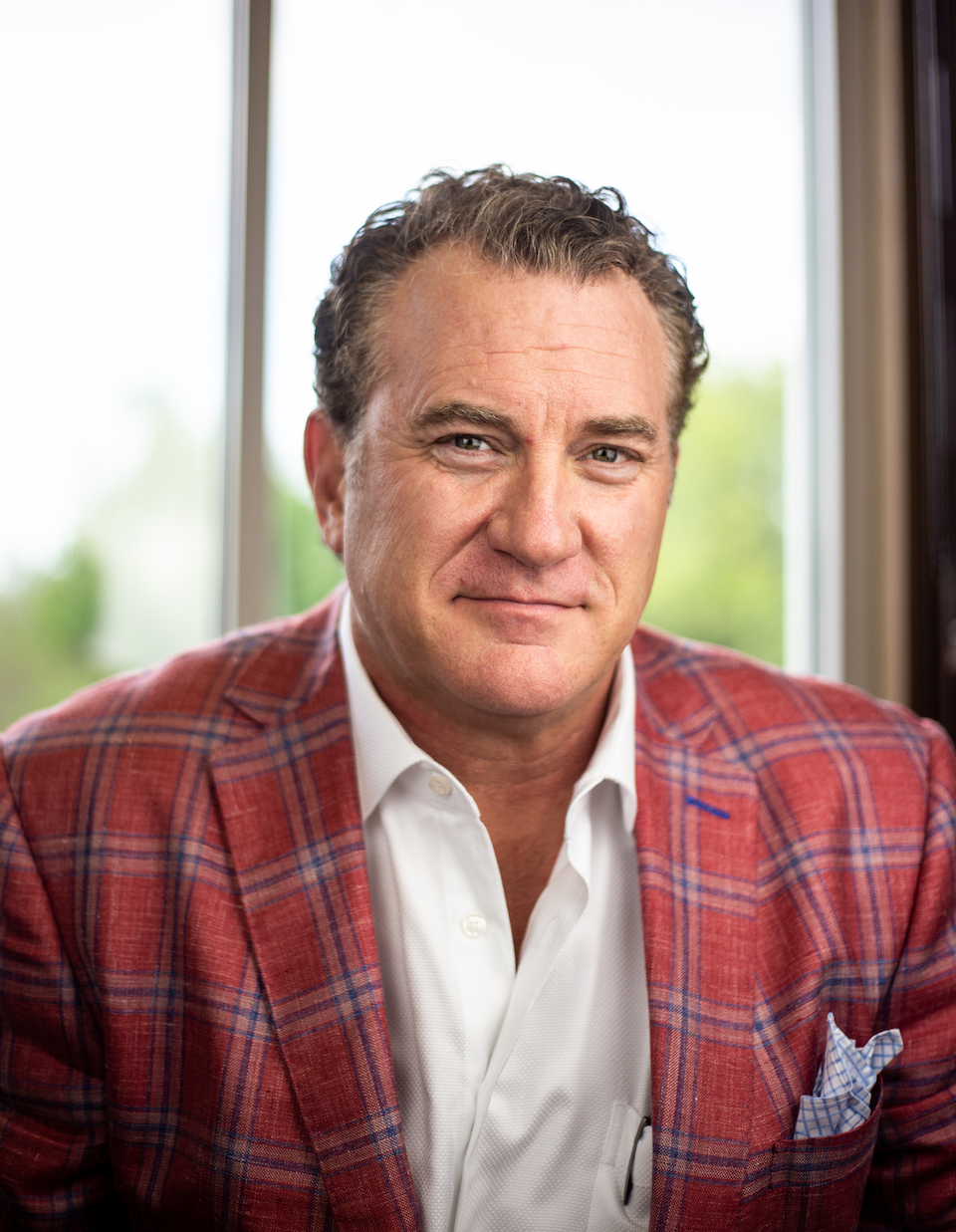
Jason Ledlow
Chief Executive Officer and Co-Founder
Jason has over 30 years helping nonprofits raise money and coaches multiple nonprofit leaders each week.
You Might Also Like

How to Build a Donor Profile Before Your Next Fundraising Gala
Most nonprofits know almost nothing about the guests filling their gala's seats. Here's how one auction platform founder builds a real donor profile before the event even starts.
Read article
Donor Follow-Up: The Fundraising Step Most Nonprofits Skip
Philanthropic advisor Brittany Morrison has one blunt diagnosis for why so many nonprofits struggle to grow giving: they treat donors like transactions, then let the relationship g
Read articleBook a free session with our CEO.
Calculate what your next donor campaign could raise.
Talk with our team about your next event.