
Fundraising
Grant Writing Tips: How to Build Funder Relationships
The Relationship Comes Before the Proposal
When a foundation receives a record number of applications, what makes yours stand out? According to Dawn Grenier, a foundation grant consultant, it's often something that happens before the proposal. Dawn joined Trevor Nelson on a Hey Nonprofits! LIVE webinar to talk about building funder relationships, and she started with a common mistake. Small and mid-size nonprofits often write as many proposals as possible without doing the groundwork first.
Dawn has spent about five or six years consulting on foundation grants, after working on staff at nonprofits in several roles, including public funding and communications. In her view, connecting with funders early helps you narrow down which ones are a strong fit, and it increases your odds if you do apply. It's also the part many grant writers dread, particularly those who'd rather communicate in writing than pick up the phone.
How to Make Contact When You're Nervous
Trevor asked for a simple way to break the ice. Dawn began with her standard answer to any fundraising question: it depends. Some funders clearly say they don't want phone calls or pre-contact, and in that case you respect their wishes. Her best all-purpose tactic is to avoid a general get-to-know-you request. Instead, come up with a question specific to that funder and your organization.
Her example: a funder has two categories, youth development and economic development, and you run workforce training for youth. Ask which category fits better for their trustees. The question shouldn't be answered in the guidelines, and it gives the program officer a reason to respond beyond "please look at our website." The answer helps you with your next step, and it may open the door to a longer conversation. Dawn noted that many foundations have written guidelines and an unwritten set of trustee preferences, and a question like this is how you learn about the second set.
If a funder says no questions, can you still ask? Dawn said it doesn't hurt to push the boundary a little, respectfully. They may reply that they told you they weren't taking questions, but a well-tailored one might get an answer anyway.
Mini takeaway: Skip "can we get to know each other?" Ask one specific question that the funder's guidelines don't already answer.
Find an Alternate Path In
Grants are a long game, Dawn said, so the sooner you start, the better. Funders who aren't open to initial conversations may take time to reach, so you need other routes in. One is your existing funders. People often forget that funders are happy to offer advice and introductions, she said, especially funders in the same region or issue area, who are often in their own professional circles and talk to each other.
Another path is your peer organizations. If a regional funder supports a wide range of causes, a peer that already receives their funding may be able to share insight or an introduction. Dawn described these as paths worth exploring, depending on your relationships.
A Crowded Field: How to Stand Out
Dawn didn't sugarcoat the landscape. With changes at the federal level trickling down to the states, more organizations are turning to private foundations, and competition is more intense than ever. She said local funders in Massachusetts report record numbers of applications each cycle, and some are shifting to invitation-only processes or narrowing their programs or geography. When funders close their doors, relationships are how you get invited in.
Trevor argued that differentiation is stronger than competition, and Dawn agreed, noting that nonprofits often find it awkward to explain how they differ without criticizing a peer. Her fix is to brainstorm specifics: why does your organization exist, even if a similar one sounds the same at the top line? What does your focus or expertise add to the community? Use it as a framing device in the needs section, which should describe a need or a population not well served by other programs. In the how-we'll-address-it section, show what's special about your work and tie it to best practices or research. Funders, she said, want a little innovation, grounded in evidence.
She also said many funders actively look for collaboration, and a joint proposal can be a way in when one organization is already funded. The trick is overhead. Some funders still hesitate to pay for the invisible work of coordination, which can be a sticking point for smaller agencies.
Show the Long-Term Vision
Trevor asked whether a nonprofit should use an application to project where it's headed, not just ask for more money. Dawn said yes, as long as the projections are tied to the organization's strategic plan. It shows a funder that their support goes beyond this year, and it's especially valuable in renewal proposals, where you're also more likely to be able to talk to the funder directly.
She shared a recent client example. The client requested $60,000 for a one-year growth project. The funder responded with $60,000 a year for three years. She called that a magical occurrence you can't expect, but she believes showing a big vision makes surprises more likely.
Many applications ask only about the next 12 months, so what do you do? Dawn's guidance: answer the question that was asked, then add a little more, "here's the next phase of your question that we wish you had asked about."
Mini takeaway: Answer the 12-month question, then add where the work goes next, tied to your strategic plan.
Write for a Reader Who Isn't an Expert
A viewer who sits on a federal grant review team asked about proposals running 400 pages with heavy jargon. Dawn's response was that plain language is generally best, since many reviewers, especially trustees of small family foundations, aren't experts in your field. A federal reviewer may be more embedded in the field than a family-foundation trustee, so it does depend. Her test: would my mom understand this? Her mother isn't in the sector but is educated.
She added that readers may need context for your numbers. In a hypothetical she made up for illustration, an organization serving young adults after release from prison reports that 70% didn't reoffend. That may not sound like an A-plus until you compare it to typical rates for that group. Give the counterfactual so a reader outside your field can see why the number is impressive.
Dawn also recommends volunteering as a grant reviewer, or taking a paid reviewer stipend if one is offered. It shows grant writers what works and what confuses on the other side of the table.
AI and Grant Writing: Where It Helps and Where It Hurts
Trevor asked how much applications are read by humans or by AI. Dawn doesn't know of any experience with AI review. She said she has heard colleagues suspect it after a very fast rejection from a funder that seemed like a fit, and she believes most reviewers are still human, though there's little data. She has noticed some foundations asking applicants to disclose their use of AI, so check the guidelines. She speculated that funders may want to confirm that facts and statistics are real, because generative AI is notoriously unreliable at producing them.
Dawn named herself as being toward the anti-AI end of the spectrum among grant professionals. She sees AI as useful for logistics: trimming text to meet character limits, or drafting a job description for an attachment when a long-time executive director never had one. Grant-specific tools such as Grantable, she said, can help a small shop remix a solid boilerplate. Her concern is people building that boilerplate with too much help, so they never develop their own argument and strategy.
A Team Sport, and Visibility Is Credibility
The most repeated theme was that grant writing is a team sport. Dawn said a grant should be the best possible presentation of the reality of your program. That requires alignment with the strategic plan, real program data, and a budget that matches what you're asking for. The grant writer pulls the pieces together, "like movie production," but "cannot write their way into or out of a program solution."
That ties to being on funders' radars before you pick up the phone. "Visibility is credibility in so many ways," Dawn said. Media coverage reaches funders and individual donors, and depending on your mission, public officials or the business community may matter too. Even a funder who knows little about you may be more willing to take your call if they've seen your name in a headline.
Mini takeaway: Visibility is credibility. Funders who have already heard your name are more likely to pick up when you call.
Stay on the Radar After the Check Arrives
Many nonprofits focus on cultivation to win the first grant and then go quiet until the next proposal. Trevor shared a story about a trail organization that told him the last time it had spoken to a foundation was when it received a $40,000 check two years earlier. Dawn said you don't have to build a formal process. Program officers are busy, so quick friendly updates work best.
Her ideas: send a link when you're in the news, with a short blurb about what their partnership supports. Send a social media post that shows community engagement, with a note that you thought they'd love to see their support in action. She noted a funder may skip the annual report but spend 30 seconds on a post. Forward an article about an issue you both care about. Thank funders for investing in a peer organization you respect. "Everybody likes a thank you." None of it has to be about your funding, which keeps it from feeling transactional.
Her practical suggestion: put an hour a month, or a morning each quarter, on your calendar for funder contact. Trevor summed up his version as "no news is not good news."
What's Changing: Trust-Based Philanthropy and DAFs
An attendee asked whether trust-based philanthropy is a real trend. Dawn said it's more a part of the conversation than when she started, but it's trickling down more slowly than she'd hoped. She sees it most in reporting, where the burden has been reduced, though proposals are often still formal. If you have a good relationship with a funder, you might share news about positive changes elsewhere, including foundations raising payout above the 5% minimum.
She also mentioned a shift worth watching: more money is moving through donor advised funds, which have far less of a public paper trail than foundations. That makes funding harder to find, and she said it takes more individual cultivation to reach it. To keep up, treat grants as one part of the picture, in the "and, not or" spirit Trevor described. Dawn pointed listeners to her website, where they can book a call and learn about her coaching on building staff capacity at small nonprofits.
Insights in this article are drawn from the Hey Nonprofits! LIVE webinar “Your Grants Won't Write Themselves”, featuring Dawn Grenier of Dawn Grenier Consulting.
About the author
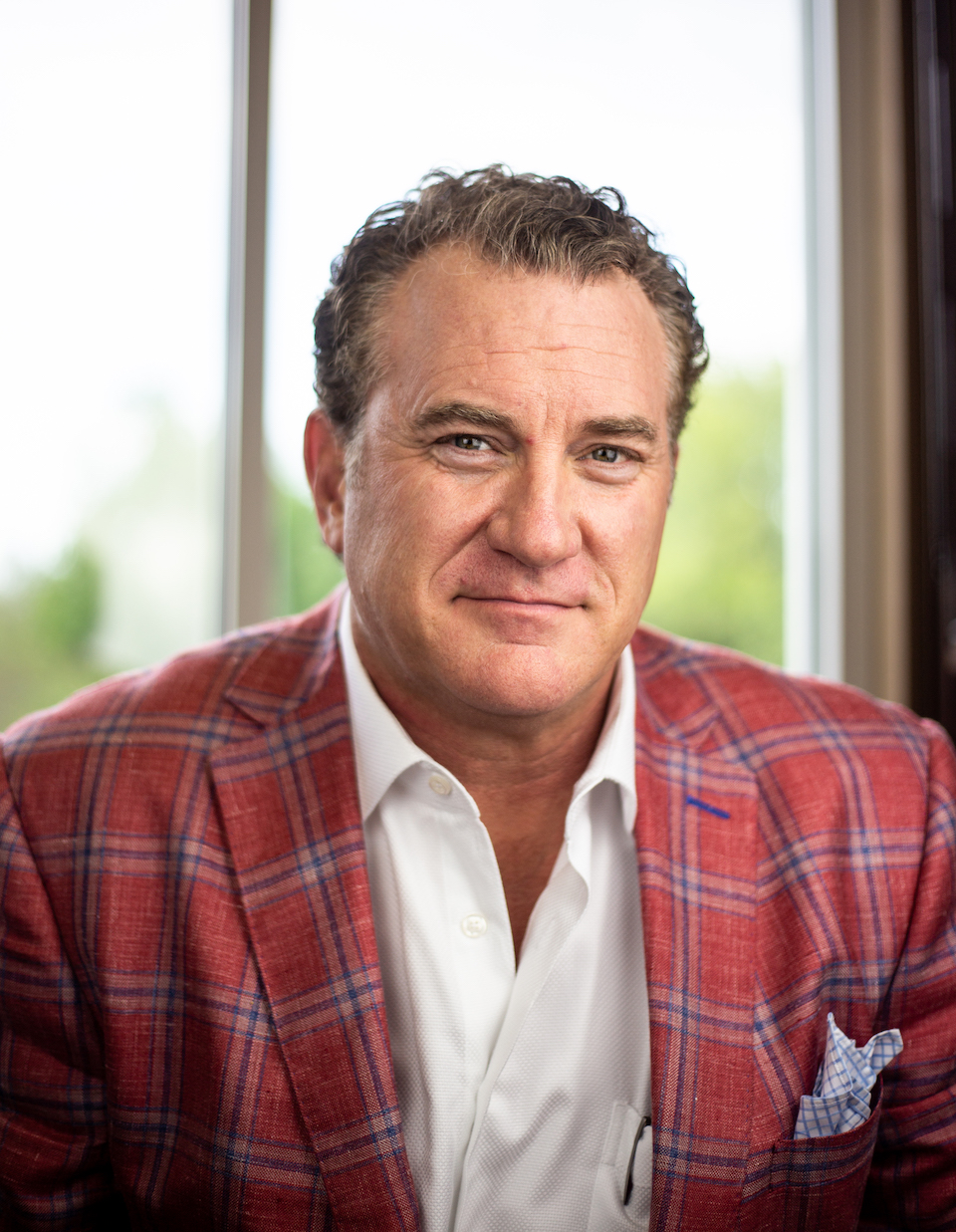
Jason Ledlow
Chief Executive Officer and Co-Founder
Jason has over 30 years helping nonprofits raise money and coaches multiple nonprofit leaders each week.
You Might Also Like
4 Words to Secure Pre-Committed Dollars | Fundraising Tips
Fundraising is not getting easier. It’s getting harder. But there’s still tremendous opportunity to secure pre-committed dollars if you know where to focus your energy.On a recent
Read article
The Easiest Way to Find New Donors - Nonprofit Tips
(How one fundraiser added 100 new prospects in 72 hours)If you’re a fundraiser, you know this truth: Finding new donors is the hardest part of the job.You can steward existing dono
Read articleBook a free session with our CEO.
Calculate what your next fundraiser could raise.
Talk with our team about your next event.