
Event Planning
How to Get Celebrities Involved in Your Nonprofit Event (Without an Agent or a Budget)
The Ask That Costs the Celebrity Nothing
Donors have money. What they don't have is access. A chance to meet their favorite actor on set. Coffee with someone they've watched on screen for twenty years. A seat at a premiere they'd otherwise never get near.
Afam Onyema, founder of the GEANCO Foundation, has built an entire fundraising pillar out of that gap. Over 19 years, he's brought Oprah, Daniel Craig, the Oscars, Jimmy Kimmel, Charlize Theron, NBA player Giannis Antetokounmpo, and Prince Harry and Meghan into his organization's orbit — and raised millions of dollars doing it. Not by asking any of them to write a check. By asking them to show up.
"We've done that hundreds of times and raised millions of dollars just on access," Onyema says. "It costs the celebrity nothing. The donor gets to have an amazing experience and support our work. It's truly a win-win-win."
Here's the part that matters for your organization, even if you've never met a celebrity in your life: none of this requires Hollywood. It requires a plan, patience, and knowing exactly what to ask for.
This Is a Relationship, Not a Transaction
The single biggest mistake nonprofits make is treating a celebrity ask like a vendor contract. Gala's in two months, so someone emails an agent asking what it costs to get their client in the room. The agent asks about money and travel logistics. The nonprofit gets quoted a number that kills the idea, and the whole thing dies before it starts.
"That's not the way to do it," Onyema says. "It's about relationships. About getting to know what do they care about. Approaching them as a friend or a colleague, not as a transactional thing." Some of his closest celebrity partnerships took years to build — one nonprofit founder he knows spent two years messaging Nike's chief design officer before the relationship turned into a two-day event appearance.
Mini takeaway: If your gala is eight weeks out, you're not building a celebrity relationship — you're asking a favor from a stranger. Start the relationship now for next year's event.
Be Fearless — You're Not Asking for Yourself
Once the relationship exists, the next hurdle is psychological: actually making the ask. Onyema is blunt about it. "I'm going to ask you some big things," he tells people he's close with. "You can say no, but don't get offended for me, because I'm asking on behalf of the girls that we serve."
That reframe changes everything. You're not asking a celebrity to do you a personal favor. You're asking on behalf of the kids going to camp, the families you serve, the mission the celebrity already cares about. A no isn't rejection — it's just a no for right now. "No means no for right now. It doesn't mean no forever," Onyema says. Ask again later. Ask through someone else who knows them better. Timing changes. People say yes the second time.
Skip the A-List, Find Your Hometown Star
Most organizations default to chasing the biggest name they can think of — and then wonder why George Clooney never calls back. Onyema's advice: stop starting there.
"There are stars who are born in Toledo, born in Sarasota, Florida — their mom still lives there, their cousin still lives there." Every metro area has actors, athletes, and executives with local roots, and most of them get far fewer asks than you'd think. "It's amazing how many celebrities who are big stars will tell me no one really asks me. They'll ask me to post or give, but no one ever asked to get to know me."
The same logic applies to cause connections instead of geography. Working on learning disabilities? Find the public figure who's talked about their own. Doing global work? Find the celebrity with ties to that country. Onyema built an entire strategy around Nigerian actors, athletes, and executives — people who shared the same cultural fluency and couldn't easily say no when asked to help their homeland.
Mini takeaway: A quick search for "celebrities born near [your city]" or "athletes from [your region]" will surface more real leads than a cold email to a major star's agent ever will.
Direct Them Like a Director
Once someone says yes, don't hand them a vague assignment and hope for the best. Onyema learned this from an actor friend who told him flatly: "I'm an actor. You've got to direct me. What can I do to serve this mission?"
Celebrities are used to being told exactly what a scene requires. Give them the same clarity. Instead of "just say a few words," give a specific ask: introduce this video, stand for this photo, sign these ten items, spend twenty minutes with our top donors before the program starts. Treat them as a person, not a prop — deal with them directly where you can, ask about their life, and hold them to what they commit to. "No one in my life checks me," one actor told him. "Thank you for checking me."
Give Them Something Concrete to Say Yes To
This is the piece that turns a celebrity relationship into actual auction and event revenue. When you ask "how can you help," most people default to "post about us" or "donate money." Push past that.
The highest-performing asks are almost always access, not appearances:
- Coffee or a meet-and-greet with the celebrity
- A visit to a movie or TV set
- Tickets to a premiere, red carpet included
- A signed item for the live or silent auction
- A short video message for donors who can't attend
None of it costs the celebrity — or the studio — anything real. A studio executive giving up two extra premiere tickets costs the studio nothing but delivers a donor experience people will pay well above face value for. Onyema's team also lists items on platforms like CharityBuzz.com when they want to open a signed item or experience up to a wider audience beyond their own event.
Mini takeaway: "Can you write a check" is the weakest ask you can make of a celebrity. "Can our top bidder visit your set" is the one that raises real money.
Their Team Is Not a Gatekeeper — They're a Supporter
Publicists, agents, and managers often get treated like obstacles standing between a nonprofit and the person they actually want. Flip that thinking. "Have their team be your supporters," Onyema says. "Reach out to publicists and agents and managers not as a conduit, but in and of themselves. We want you to support us. We care about you."
Ask the celebrity directly how they'd prefer to communicate — through them personally or through their team — and respect whatever they say. Once you're on a manager's radar as a legitimate, respectful organization, that one relationship can open doors to every other client on their roster.
And don't mass-email. Onyema is direct about pacing: "Don't send a million emails. It'll feel that way even if you try to tailor it." These are busy, overscheduled people. Build a cadence, follow up, and be patient — the ones who care the most are still the most overwhelmed.
Lead With Your Own Story
The tactic Onyema credits most for his success has nothing to do with fame at all. It's vulnerability. "I'll tell people, listen, I kind of don't know what I'm doing. I'm winging it here." That honesty disarms people — including Oscar winners and billionaires who tell him the exact same thing back.
Don't open a celebrity conversation, a donor conversation, or a sponsor conversation with your organization's founding date and history. Open with why you personally do this work. "Ninety-nine percent of celebrities weren't born celebrities," Onyema points out. "They all started somewhere." A real story is the fastest way to make anyone — famous or not — lean in.
Mini takeaway: Vulnerability is a superpower. The founder's personal "why" will move a room faster than any statistic in your case for support.
Make This a Pillar, Not a One-Time Stunt
Celebrity access isn't a replacement for your grants, your major gifts, or your peer-to-peer fundraising — it's another pillar that sits alongside them. When one is down, another can carry the event. And the relationships built this way tend to outlast the ask: Onyema has donors who first came to an event to meet a celebrity, then stayed as committed supporters for years, celebrity or not.
Start small. Map out who in your own network — board members, staff, families, LinkedIn connections — might have a real link to a public figure with a reason to care about your cause. Tell everyone you know that you're doing this. Then make the ask, direct and specific, on behalf of the people you serve.
If you want help turning a celebrity connection into an auction package or event experience that actually raises money, HGA's team is here to help. We work with nonprofits, schools, and organizations of every size to build fundraising events that go beyond the same old sponsor logos and silent auction baskets.
Insights in this article are drawn from the Hey Nonprofits! LIVE episode “Celebrities Aren’t the Problem…Your Ask Is Terrible”, featuring host Trevor Nelson and guest Afam Onyema, founder of the GEANCO Foundation.
About the author
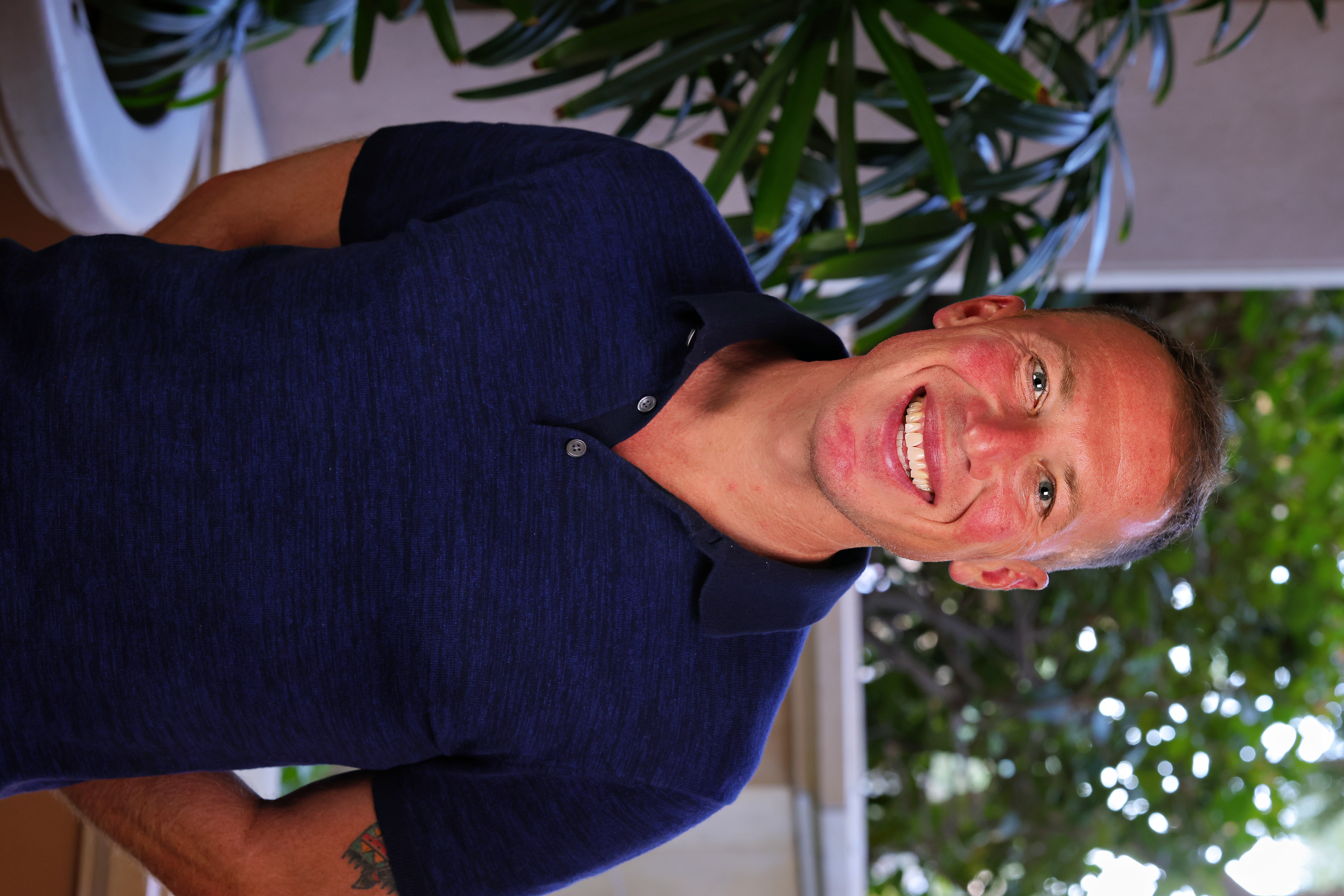
Trevor Nelson
Chief Communications Officer and Co-Founder
Trevor has been helping nonprofits raise more money for over 10 years and hosts the top rated Hey Nonprofits podcast.
You Might Also Like

Event Timeline Tips: Tech Timeline vs. Fundraising Timeline
Your event has two timelines, and when they collide the money has to win. Two auctioneers explain how to build both, and what to do when the program runs long.
Read article
How to Pick the Right Auction Software for Your Fundraising Event: Free Isn't Always Free
A volunteer-run nonprofit picked a free platform for its gala. The software quietly took over $12,000 in fees from donors and delivered zero support. Here's what to ask before that
Read articleBook a free session with our CEO.
Browse consignment travel packages for your next live auction.
Talk with our team about your next event.