
Auction Strategy
How to Promote Your Live Auction Before the Event
Your Live Auction Is Most of Your Night. Market It Like It Is.
Claire Murad has spent 26 years in the auction business with her family's firm, Murad Auctions, and she says her team keeps landing on the same blind spot. Organizations put months of work into building a strong live auction lineup, then barely tell anyone it exists. "It just seems like a crime," she said.
Her insight is a useful one for any development team. Her daughter works in marketing for a major watch and accessories brand, a company that spends millions every year promoting the very items it sells. A nonprofit doesn't need that kind of budget, but it does need the same instinct. If the live auction drives the largest share of your revenue, it deserves a promotion plan of its own, not a slide in the final week's email.
Mini takeaway: If most of your money is raised in 30 minutes on stage, the weeks before those 30 minutes are where you get to influence how much shows up in the room.
The Rule of Six: Why One Announcement Won't Land
The core idea behind Claire's approach is simple. Guests need to see the same message at least six times before it registers. "Even though we've been sending them emails and text messages, and it's in the program, and we've been coming at them from all these different avenues, finally, after about the fifth or sixth one, the light bulb goes off," she said. "Oh, there's going to be a live auction at this event. I can't believe I didn't know that."
Those six touches don't all happen before guests walk through the door. Claire counts the final one as the screens and slideshow during the auction itself, where each item appears with an image, the key details, and any important restrictions. That means the real planning job is getting five exposures in front of people before the event, and doing it early enough that each one counts.
Start Two Weeks Out, Not Two Months
Timing matters as much as frequency. Claire suggests teasing live auction items by text and email about two weeks before the event. Start earlier than that and the event feels too far away for anyone to care. Start later and you've lost your chance at six touches.
As the date gets closer, she recommends adding social media, ideally featuring one live auction item every other day. Most event management software can send text messages directly, and that's worth using. "Texts are super effective because people read their text messages," she said. Each text can include a link to your auction website, where guests can preview every live item, with photos and full descriptions.
Email still has a role, even though inboxes are crowded. Claire recommends two: a "know before you go" email roughly two weeks out and another the week of the event, both linking to the live auction items. Send them early in the morning, around 7:00 or 7:30, so they sit at the top of an inbox instead of getting buried by midday. For social media, don't pick a favorite platform and stop there. Everybody has a favorite, and scheduling tools can push the same post to all of them at once.
Keep the Messages Short and Make Them Fun
Trevor Nelson asked the obvious question: do these messages need to carry every detail? They don't. All the detail lives in your auction software catalog, so the text or email only needs to earn the click. "You can make it super short and to the point," Claire said.
What she loves is when clients match the message to the event theme. One organization hosting an 80s-themed gala sent texts that opened with, "Hey man, here are all the rad auction items," complete with emojis. Guests clicked because it didn't read like every other fundraising message in their phones. Trevor's name for this is interrupting the loop: a recipient scrolling through a stream of identical updates notices the one that sounds different.
Mini takeaway: Your pre-event message has one job, which is getting the guest to the catalog. Save the details for the catalog and spend your energy on a line worth clicking.
At the Event, Cocktail Hour Is Your Last Marketing Window
Guests arrive having seen some of this. Cocktail hour is where you can close the gap, and Claire has watched clients get creative. At one recent event, hosts walked the room during cocktail hour wearing display boards that showed the live auction items, in the style of old-fashioned cigarette girls, and each of them could talk about the item on their board. Guests found it charming, and it put the lineup in front of people who hadn't looked at a program.
Her other big recommendation is to put your auctioneer in the room. "Your auctioneer understands what the items are, and they can walk up to different people, introduce themselves, and say, have you seen the list of auction items? What are you interested in?" The payoff comes later. When the live auction starts, the auctioneer can say, "Hey Joe, remember I was talking to you about this at cocktail hour? Come on, this is your time to bid."
Physical displays help, too. Claire has seen clients use 10-foot lit boards that guests have to walk past on the way to the bar, and she doesn't mind a little noise. "I think it's kind of being a little bit obnoxious at your event," she said, and Trevor was quick to agree that loud is fine. Other low-effort options include a program listing the live items, screens in the back of the ballroom so guests at round tables who are facing away from the stage can still see everything, and custom bid paddles. On the back of a paddle, her team lists the live items with a QR code that opens the auction catalog on guests' phones.
Give Groups Time to Plan Their Bids
One practical reason to start early has to do with experience packages. A chef's dinner for ten or a group trip is something guests may want to share with friends or family, and sharing takes a conversation. "They want to learn about those items in time to be able to talk to their friends and family and say, hey, you guys, there's a house in Winter Park, let's go do it together," Claire said.
If you leave all of that to the last minute, you still get some bidders, but others who weren't prepared back out. Prepared bidders tend to bid more confidently. As Trevor put it, more prepared bidders coming into the room means more competition, which means higher bids.
Let Silent Auction Bidders See What's Coming
Finally, don't hide the live auction on a separate page. If your silent auction opens online before the event, Claire recommends listing every live item on that same auction site so people who are bidding on silent items are exposed to the live lineup as well. They can't bid on the live items there, but they can see them, and that counts as another touch toward the six.
Taken together, her plan comes down to one principle, which Trevor summed up as no surprises. Guests who know what's coming show up ready to participate, and ready guests make the live auction easier on everyone, including the auctioneer. Claire's team offers free consultations to nonprofits and has built a guide to its top-selling live auction items. If you're planning a gala this season, start by listing which of your six touches are already in place, then fill in the gaps.
Insights in this article are drawn from the Hey Nonprofits! podcast episode “How to Market Your Live Auction Before the Event | Claire Murad”, featuring Claire Murad of Murad Auctions.
About the author
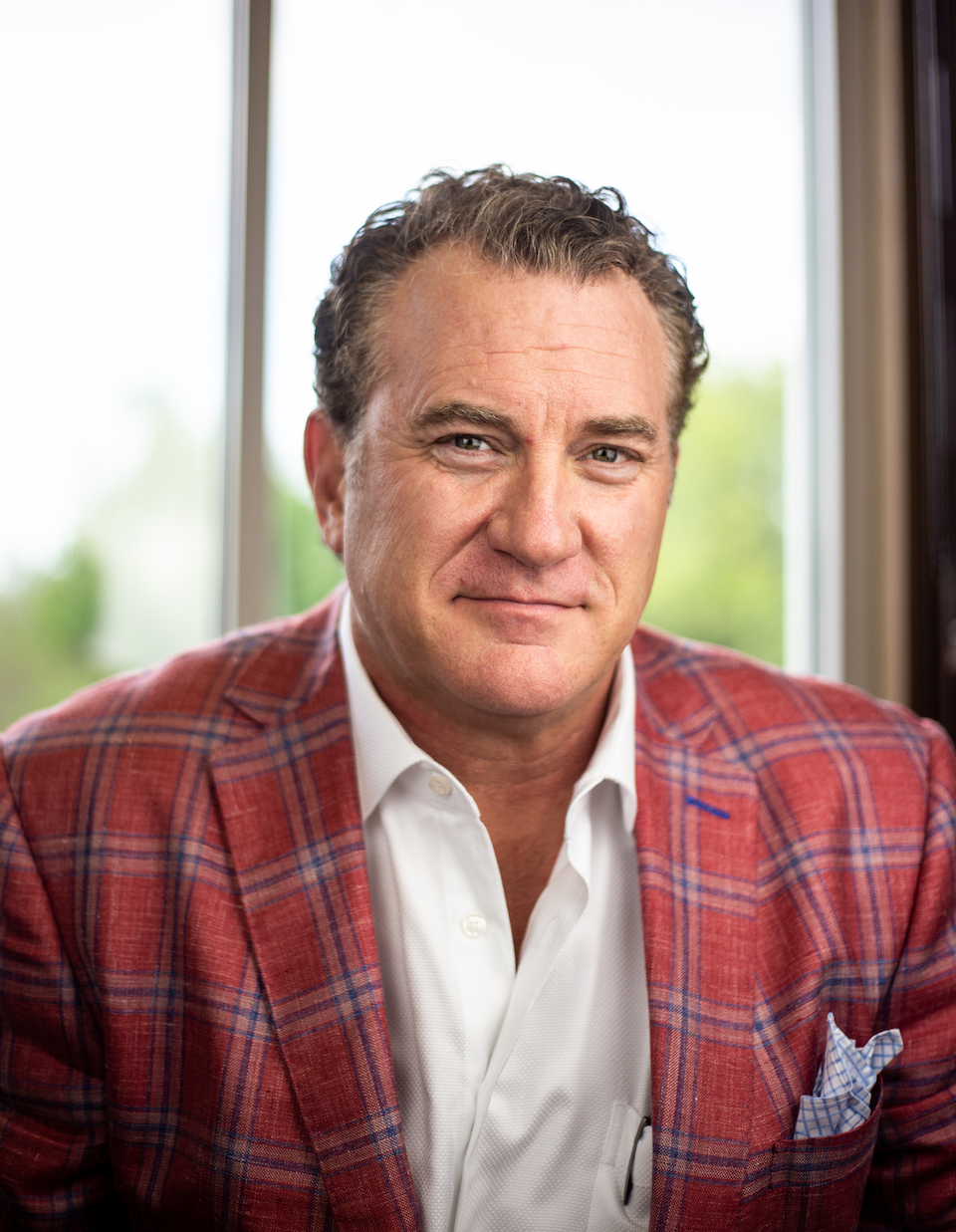
Jason Ledlow
Chief Executive Officer and Co-Founder
Jason has over 30 years helping nonprofits raise money and coaches multiple nonprofit leaders each week.
You Might Also Like

Live Auction Strategies for Nonprofits: Beyond the Basics
Jason Ledlow has not only coached hundreds of nonprofits through their galas, but he spent 30 years on stage raising millions for worthy causes. His formula for a great live auctio
Read article
How to Sell Multiples at Your Live Auction (Without Losing Paddle Raise Money)
The 3-step method and one specific phrase top auctioneers use to sell the same live auction item dozens of times without cutting into your paddle raise.
Read articleBook a free session with our CEO.
Browse consignment travel packages for your next live auction.
Talk with our team about your next event.